
Senior Parkour Training: Embracing Movement and Strength at Any Age
- Keiko - eandkwellness

- Feb 4
- 5 min read
When I first heard about parkour, I pictured young athletes vaulting over urban obstacles with incredible agility. It seemed like a sport for the fearless and the fast. But as I explored more, I discovered something truly inspiring: parkour is for everyone, including seniors. Yes, you read that right. Senior parkour training is becoming a wonderful way for older adults to regain mobility, build strength, and enjoy movement in a fresh, exciting way.
I want to share my journey and insights about how parkour can be adapted for seniors. Whether you’re curious about trying it yourself or looking for a new way to stay active, this post will guide you through the benefits, safety tips, and practical advice for starting parkour later in life.
Why Senior Parkour Training is a Game-Changer
When I started exploring senior parkour training, I was amazed at how it combined fun with functional fitness. Unlike traditional workouts that can feel repetitive or boring, parkour encourages creativity and problem-solving. You learn to move your body in new ways, adapting to your environment.
One of the biggest benefits I noticed was improved balance. Simple movements like stepping over low obstacles or climbing small walls helped me feel steadier on my feet. This is crucial for seniors because balance reduces the risk of falls, which can be a serious concern.
Another plus is the boost in confidence. Parkour challenges you to push your limits gently. Every small success, like mastering a safe jump or a smooth roll, feels like a personal victory. It’s empowering to realize your body can still do amazing things.
Here are some key benefits I found in senior parkour training:
Enhanced mobility and flexibility
Increased muscle strength and endurance
Better coordination and spatial awareness
Mental stimulation through problem-solving
A fun, social activity that builds community
If you’re interested in trying this out, many local gyms and wellness centers now offer parkour for seniors classes designed specifically with safety and accessibility in mind.
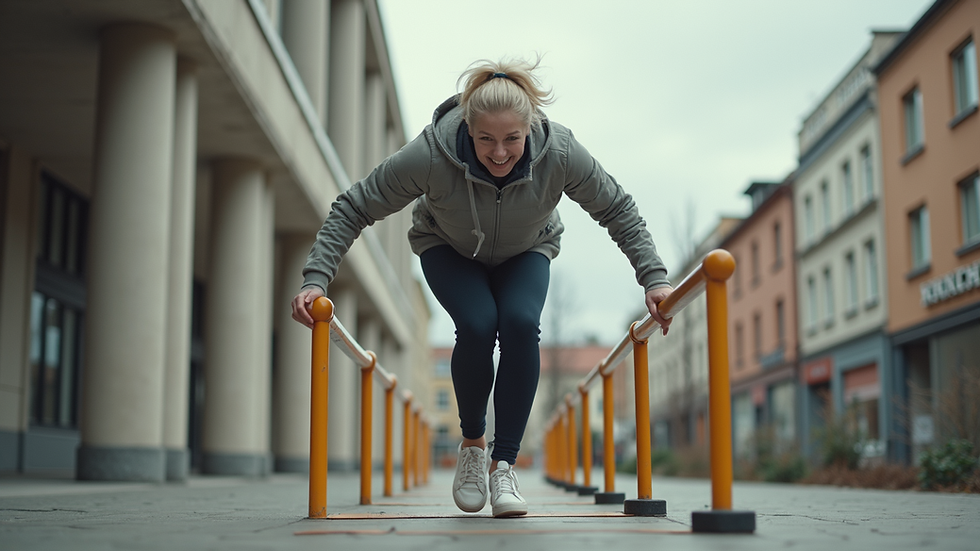
Getting Started with Senior Parkour Training: Tips and Tricks
Starting something new can feel intimidating, especially when it involves physical activity. I remember my first class vividly - a mix of excitement and nervousness. But the instructors were patient and encouraging, which made all the difference.
If you’re considering senior parkour training, here are some practical tips to help you begin safely and confidently:
Consult Your Doctor
Before starting any new exercise, it’s important to check with your healthcare provider. They can advise you on any limitations or precautions.
Find a Qualified Instructor
Look for trainers experienced in working with seniors. They will tailor exercises to your ability and progress at a comfortable pace.
Start Slow and Build Gradually
Don’t rush into complex moves. Begin with basic balance exercises, gentle jumps, and simple vaults. Consistency is more important than intensity.
Wear Comfortable Clothing and Shoes
Choose flexible, breathable clothes and supportive shoes with good grip. This helps prevent slips and allows freedom of movement.
Warm Up and Cool Down
Always spend 5-10 minutes warming up your muscles and joints before training. Cooling down with stretches helps reduce soreness.
Listen to Your Body
If something feels painful or uncomfortable, stop and rest. It’s okay to modify or skip certain moves.
Celebrate Small Wins
Every improvement counts. Whether it’s better balance or increased confidence, acknowledge your progress.
I found that joining a group made the experience even more enjoyable. Sharing laughs and encouragement with others created a supportive atmosphere that kept me motivated.
What Age is Too Late to Start Parkour?
This question came up a lot when I first mentioned senior parkour training to friends. Honestly, I believe it’s never too late. I met people in their 70s and 80s who were actively participating and loving it.
The key is adapting the practice to your individual needs and abilities. Parkour is not about extreme stunts or competing with younger athletes. It’s about movement, creativity, and personal growth.
Here’s what I’ve learned about age and parkour:
Physical condition matters more than age. Some younger people may have limitations, while many seniors are surprisingly fit.
Focus on functional movements that improve daily life, like stepping up, balancing, and climbing safely.
Progress at your own pace. There’s no rush or pressure.
Mental attitude is crucial. A positive mindset and willingness to try new things make a huge difference.
I encourage anyone curious about senior parkour training to give it a shot. You might surprise yourself with what you can achieve.

How Senior Parkour Training Supports Holistic Wellness
One of the reasons I fell in love with senior parkour training is how it aligns with a holistic approach to wellness. It’s not just about physical fitness; it nurtures the mind and spirit too.
Here’s how parkour contributes to overall well-being:
Physical Health: Improves cardiovascular fitness, muscle tone, and joint flexibility.
Mental Health: Encourages focus, problem-solving, and reduces stress.
Social Connection: Group classes foster friendships and a sense of belonging.
Emotional Resilience: Overcoming challenges builds confidence and reduces fear of falling or injury.
At E&K Wellness, the focus is on helping clients achieve quick recovery, improved mobility, and boosted strength through personalized, holistic training. Senior parkour training fits perfectly into this philosophy by combining movement, mindfulness, and community.
If you’re in the LA or OC area, I highly recommend exploring local options for senior parkour training. Many programs offer on-location services, making it easy and convenient to get started.
Practical Exercises to Try at Home or in Class
If you’re eager to try some beginner-friendly parkour moves, here are a few exercises that I found helpful. These can be done at home or in a class setting:
Balance Walk
Walk heel-to-toe along a straight line or curb. This improves balance and focus.
Step Vault
Use a sturdy bench or low wall. Step one foot on the obstacle, then swing the other leg over. Start low and increase height gradually.
Precision Jumps
Jump from one spot to another, aiming to land softly and steadily. Use tape on the floor to mark targets.
Rolls
Learn a basic forward roll on a soft surface. This helps with safe landings and reduces impact.
Wall Touches
Stand facing a wall and practice touching it with your hands while lifting one knee. This builds coordination and strength.
Remember to warm up before trying these and cool down afterward. If you’re in a class, your instructor will guide you through proper form and safety.
Senior parkour training has been a joyful discovery for me. It’s a reminder that movement is a lifelong adventure, full of possibilities. Whether you want to improve your balance, gain strength, or simply have fun, parkour offers a unique path to wellness.
If you’re ready to explore this exciting journey, consider joining parkour for seniors classes near you. Your body and mind will thank you.
Keep moving, stay curious, and enjoy every step of the way!


Comments